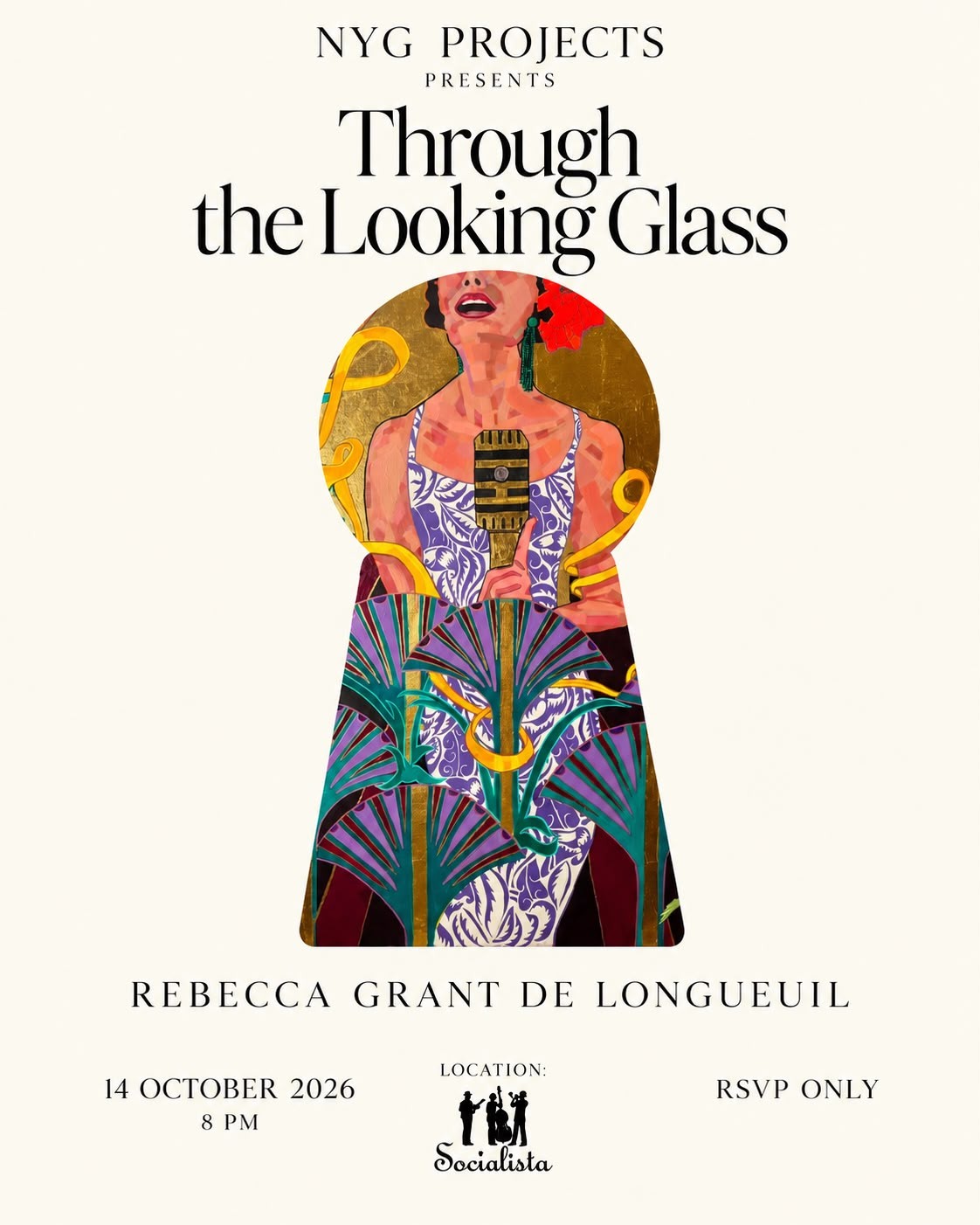
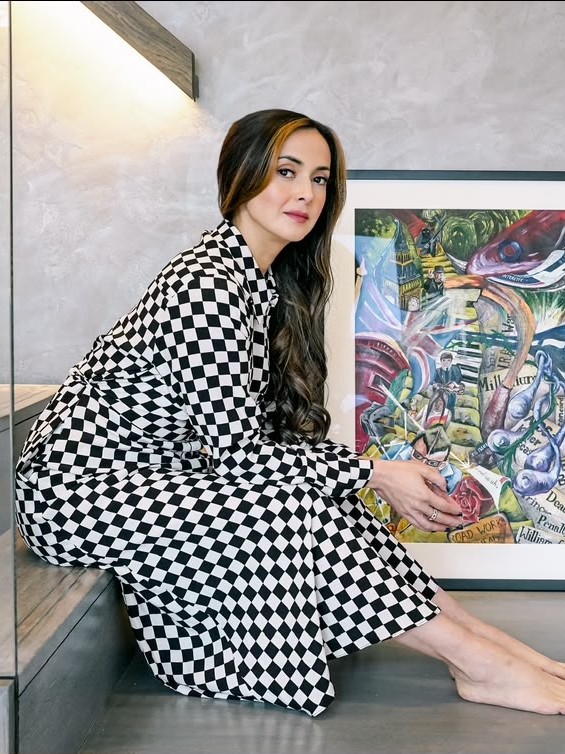
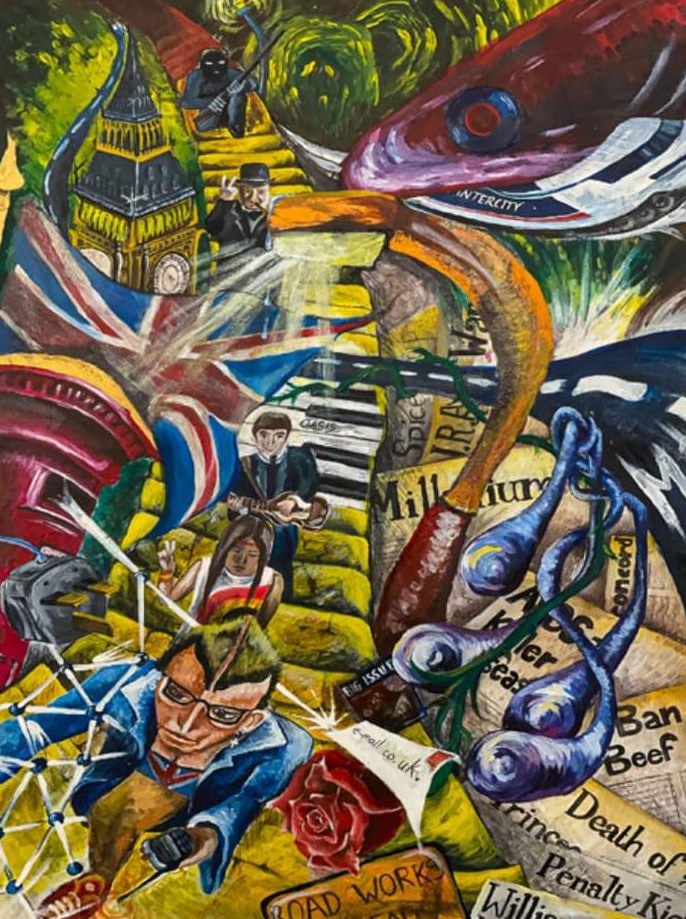
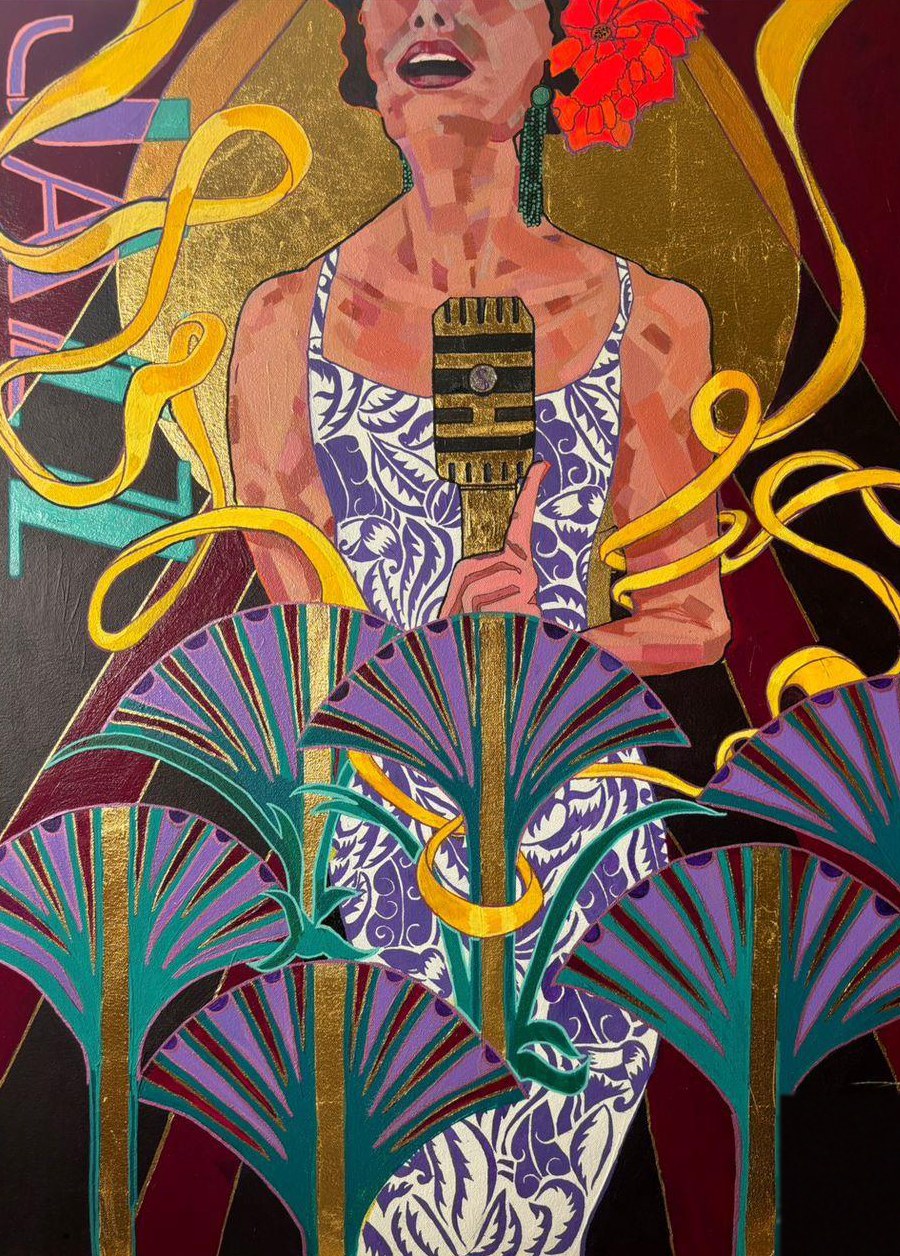
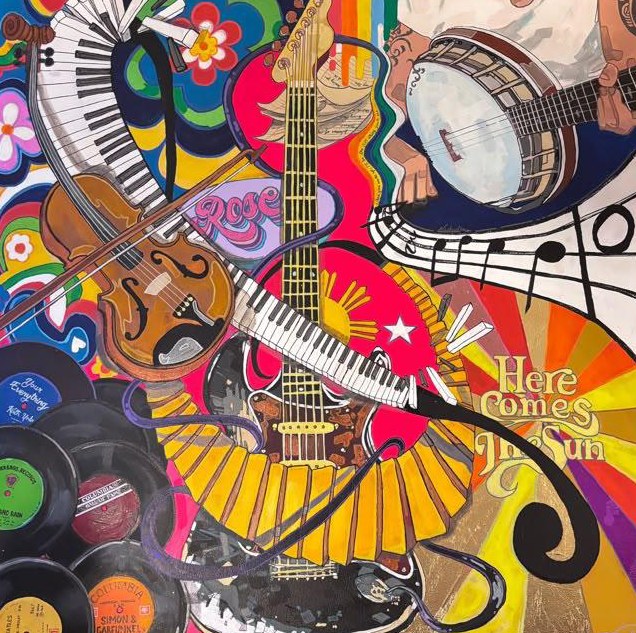
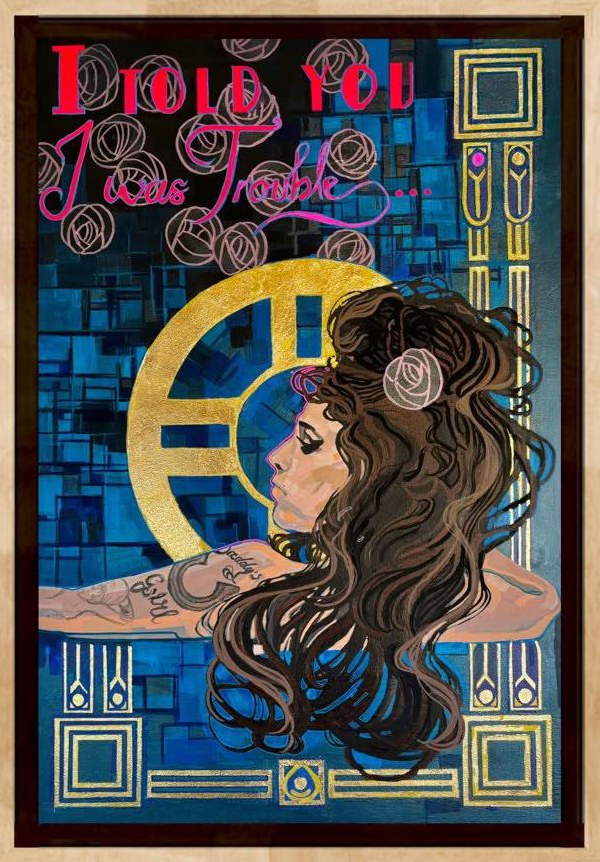
Through the Looking Glass presents Rebecca Grant de Longueuil's Yellow Brick Road, a body of work concerned with the fragile boundary between what is visible and what might exist beyond it: between the physical and the spiritual, reality and imagination, the paths we inherit and those we choose to create for ourselves.
The collection emerges from an experience that profoundly shaped Grant de Longueuil's understanding of life. At sixteen, following a severe asthma attack, she fell into a coma with a fifty-percent chance of survival. What she experienced during that period became a lasting point of reference within her practice, informing an understanding of existence that extends beyond the purely material and a heightened awareness of the value, possibility and impermanence of everyday life.
Yet Yellow Brick Road is not a meditation on mortality. At its centre is an insistence on life. For Grant de Longueuil, the road is not a predetermined route towards an inevitable destination. It is something continuously made and remade through choice. Rejecting the idea of fate as an external force, her paintings propose instead that we participate in constructing our own trajectories: that we are, in her words, “the creators of our own journey.”
This is where the looking glass becomes significant. It does not simply reflect the world back to us. It marks a threshold between the reality we accept and the reality we might imagine differently.
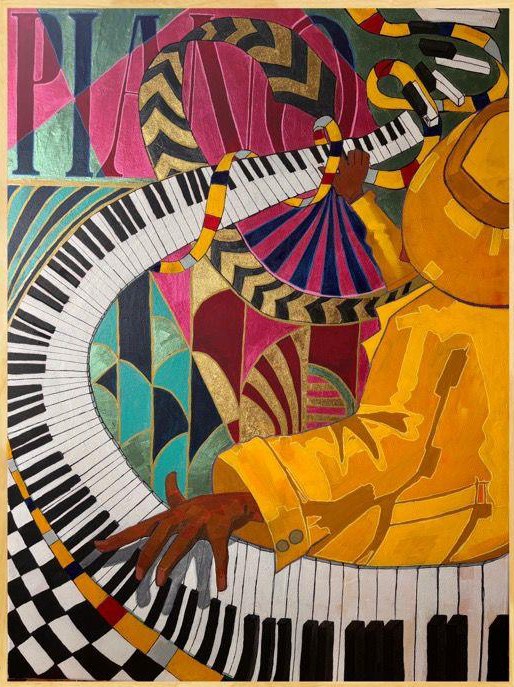
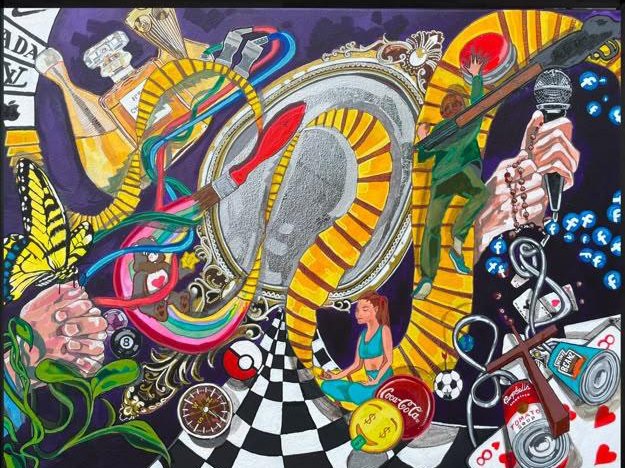
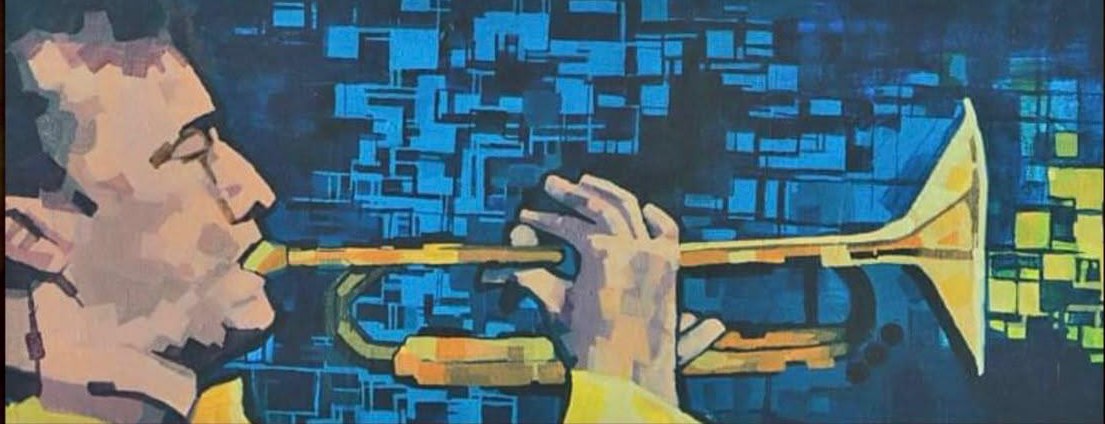
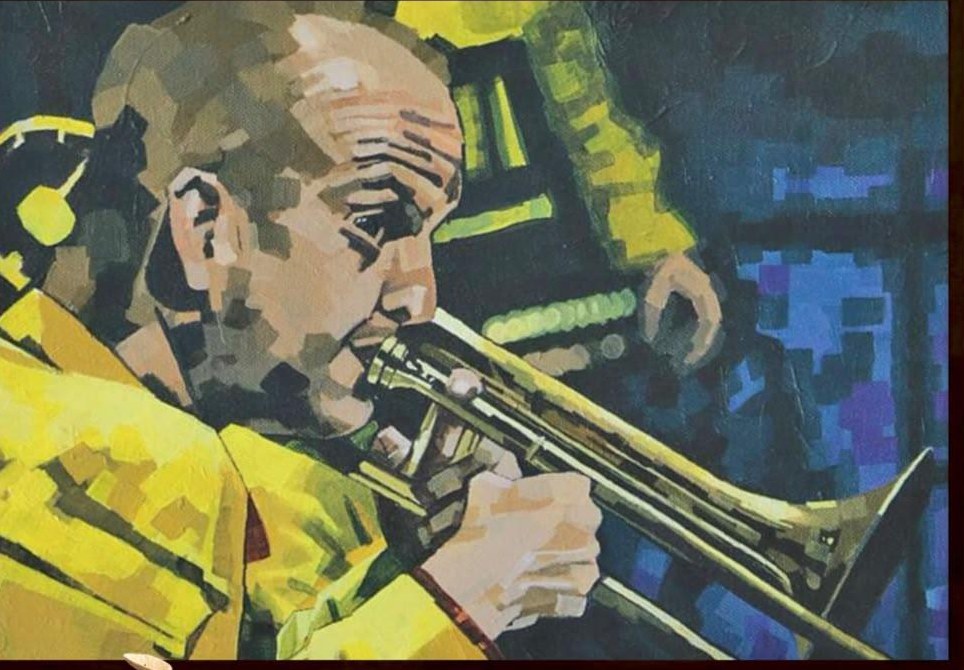
Across the works, the physical world encounters something more elusive. Figures, symbols, landscapes and fragments of narrative coexist within compositions that move between the recognisable and the fantastical. Earthy materiality sits beside moments of exuberance and visual instability, while Grant de Longueuil's constructive, cubist-inflected language allows multiple perspectives to occupy the same surface. The paintings resist a singular reality; they appear instead as spaces in which different states of being can overlap.
The artist returns repeatedly to the distractions, temptations and structures that can prevent us from questioning the lives we have come to accept. The status quo is not presented as something that must simply be rejected, but something that should be encountered consciously. To follow a path has meaning only when we recognise that another path could have been chosen.
Running through this is the figure of the daydreamer. Grant de Longueuil describes daydreaming as a precious and increasingly rare activity — one gradually conditioned out of us as we move towards adulthood. Within Yellow Brick Road, imagination therefore becomes more than escapism. It becomes a form of agency: the ability to conceive of something before it exists, to question what appears inevitable and to imagine oneself otherwise.
Her paintings ask us to recover something of that instinctive freedom. To imagine. To create. And then, as she writes, “to imagine again.”
Through the Looking Glass ultimately occupies the moment before certainty: when the road beneath us is no longer entirely solid and the distinction between the world as it is and the world as it might be begins to dissolve. Grant de Longueuil does not tell the viewer which direction to take. The work offers no instruction and no predetermined destination. It simply reminds us that we are allowed to choose.